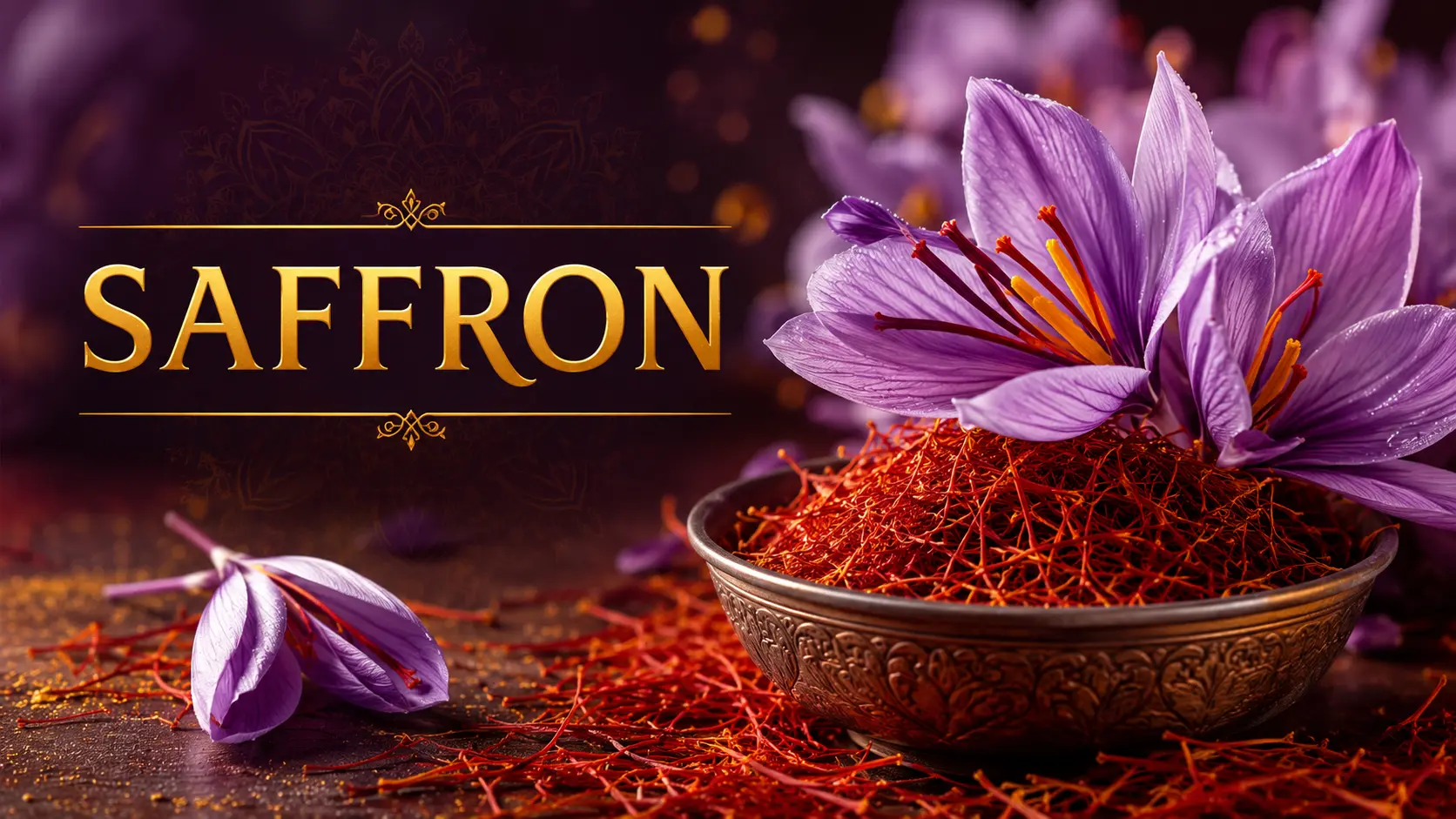
What Is Saffron ?
A Complete Guide to the World’s Most Valuable Spice
Introduction
Saffron is one of the most valuable and sought-after spices in the world. Known as “Red Gold,” saffron is highly valued for its unique color, distinctive aroma, rich flavor, and wide range of applications in food, beverages, pharmaceuticals, cosmetics, and premium consumer products.
For centuries, saffron has been an essential ingredient in many cultures and cuisines. Today, it has become a globally traded product with strong demand among food manufacturers, wholesalers, importers, distributors, restaurants, and luxury food brands.
However, choosing the right saffron is not simply about purchasing a red-colored spice. The real value of saffron depends on several factors, including its origin, quality, grade, processing methods, chemical properties, packaging, and compliance with international standards.
For businesses involved in bulk saffron buying, saffron import, or international distribution, understanding the fundamentals of saffron is the first step toward making reliable purchasing decisions.
In this comprehensive guide, we explain what saffron is, how saffron is produced, what determines saffron quality, how different saffron grades are classified, and why international quality standards are essential in the global saffron market.
What Is Saffron?
Saffron is the dried red stigma of the flower Crocus sativus L., a flowering plant belonging to the Iridaceae family.
Each saffron flower produces only three delicate red stigmas, which are carefully harvested by hand and dried to create the final saffron spice.
Unlike many agricultural products, saffron production requires a highly skilled and labor-intensive process. Every stage, from harvesting the flowers to separating and drying the stigmas, requires careful attention to preserve the natural characteristics of the product.
Because each flower produces only a very small amount of saffron, large quantities of flowers are required to produce commercial volumes.
Approximately 150,000 to 200,000 saffron flowers are needed to produce one kilogram of dried saffron, making saffron one of the most precious agricultural products in the world.
Why Is Saffron Called Red Gold?
Saffron is known as Red Gold because of its exceptional value, limited availability, and complex production process.
Unlike common spices that can be harvested and processed mechanically, saffron production still depends mainly on manual labor.
Several factors contribute to saffron’s premium value:
- Hand harvesting of saffron flowers
- Limited flowering period each year
- Low yield per flower
- Careful stigma separation
- Specialized drying techniques
- Strict quality control procedures
- Laboratory testing requirements
- Growing international demand
For professional buyers, the price of saffron is not determined only by weight. Factors such as saffron quality, grade, origin, color strength, aroma profile, and laboratory results play a major role in determining its market value.
How Is Saffron Produced?
Producing high-quality saffron requires several carefully controlled steps. Each stage affects the final characteristics of the product, including color intensity, aroma, flavor, purity, and shelf life.
Saffron Cultivation
Saffron is grown from underground bulbs called corms. These bulbs are planted in suitable agricultural conditions and can produce flowers for several years.
The quality of saffron cultivation depends on different factors, including:
- Soil quality
- Climate conditions
- Farming practices
- Irrigation management
- Harvesting methods
Regions with suitable climate conditions and traditional saffron-growing experience are able to produce higher-quality saffron.
Saffron Flowering Season
Saffron flowers usually bloom during autumn, and the flowering period is very short.
During this limited period, farmers must carefully monitor the fields because each flower remains fresh for only a short time.
The timing of harvesting has a direct impact on saffron quality. Early and careful harvesting helps protect the aroma, color compounds, and overall quality of the saffron threads.
Harvesting Saffron Flowers
Saffron flowers are harvested manually, usually in the early morning hours.
Harvesting before strong sunlight exposure helps protect the delicate stigmas and prevents quality loss.
Because each flower contains only three saffron threads, thousands of flowers must be collected and processed every day during the harvesting season.
This traditional harvesting process is one of the main reasons why saffron remains a premium agricultural product.
Separating Saffron Threads
After harvesting, the red stigmas are carefully removed from each flower by skilled workers.
This process requires precision because the final saffron grade depends partly on which parts of the stigma are included.
Different commercial categories, such as Negin saffron, Sargol saffron, and Pushal saffron, are created based on the appearance, structure, and processing of the saffron threads.
Drying Saffron
Drying is one of the most important steps in saffron production.
Fresh saffron stigmas contain moisture and must be dried properly to maintain their:
- Color strength
- Aroma
- Flavor
- Stability
- Shelf life
Improper drying can reduce saffron quality and negatively affect laboratory measurements such as coloring strength and aroma compounds.
For export-quality saffron, controlled drying methods are essential to ensure consistent quality and meet international requirements.
From Saffron Farms to Global Markets
After drying, saffron goes through several important stages before reaching international buyers:
- Cleaning and sorting
- Quality evaluation
- Grading
- Laboratory testing
- Packaging
- Export preparation
Professional saffron suppliers and exporters use strict quality control systems to ensure that their products meet the expectations of international customers.
For global buyers, working with a reliable saffron supplier and saffron exporter is essential to guarantee product authenticity, consistent supply, and compliance with international standards.
Active Compounds in Saffron
The quality and value of saffron are mainly determined by three natural compounds: Crocin, Picrocrocin, and Safranal.
These compounds are responsible for saffron’s most important characteristics, including color, flavor, and aroma. For professional buyers, food manufacturers, and international saffron traders, understanding these compounds is essential when evaluating premium saffron quality.
Crocin: The Source of Saffron’s Color
Crocin is the primary compound responsible for saffron’s strong coloring ability.
A higher crocin level indicates stronger color intensity, which is one of the most important indicators used to evaluate saffron quality.
In international trade, saffron coloring strength is measured through laboratory analysis according to recognized standards such as ISO 3632 saffron testing.
High-quality saffron with strong crocin content is especially valuable for:
- Food manufacturers
- Spice companies
- Beverage producers
- Premium culinary brands
Picrocrocin: The Source of Saffron Flavor
Picrocrocin is the compound responsible for saffron’s characteristic taste.
It creates the slightly bitter and distinctive flavor that separates genuine saffron from lower-quality or adulterated products.
The level of picrocrocin helps specialists evaluate saffron authenticity and overall sensory quality.
Safranal: The Source of Saffron Aroma
Safranal is the main aromatic compound in saffron.
It develops during the drying process from natural precursors within the saffron stigma and creates the unique fragrance associated with high-quality saffron.
Proper harvesting and drying methods play a critical role in preserving safranal levels.
How Is Saffron Quality Determined?
Determining saffron quality requires more than visual inspection.
Although appearance can provide some initial information, professional buyers evaluate saffron through multiple criteria, including physical characteristics, chemical analysis, and international standards.
The main factors used to assess saffron quality include:
- Color strength
- Aroma intensity
- Flavor profile
- Moisture content
- Purity level
- Absence of foreign materials
- Microbiological safety
- Laboratory test results
For international buyers purchasing bulk saffron, laboratory verification provides confidence that the product meets required specifications.
What Makes High-Quality Saffron?
High-quality saffron typically has the following characteristics:
Strong Red Color
Premium saffron contains deep red stigmas with minimal yellow or white parts.
The appearance of saffron threads is one of the first indicators used during initial quality evaluation.
Powerful Aroma
Fresh and properly processed saffron has a distinctive natural fragrance created by aromatic compounds such as safranal.
A strong and clean aroma indicates proper harvesting, drying, and storage conditions.
High Coloring Strength
A strong crocin level indicates better coloring performance, which is especially important for commercial applications.
Food manufacturers and professional users often prioritize saffron with high coloring strength because it provides better results with smaller quantities.
Proper Drying and Storage
Correct processing protects saffron from moisture, oxidation, and quality deterioration.
Professional saffron suppliers use controlled storage conditions to maintain product stability throughout the supply chain.
Verified Origin and Traceability
Reliable saffron suppliers provide information about product origin, processing methods, and quality documentation.
Traceability is increasingly important for international buyers who need confidence in product authenticity and consistency.
Saffron is classified into different grades based on the appearance, structure, and composition of the saffron threads.
The most common commercial saffron types include:
- Negin Saffron
- Sargol Saffron
- Pushal Saffron
- Bunch Saffron
Each grade has different characteristics and applications depending on market requirements and customer expectations.
Negin Saffron
Negin saffron is considered one of the most premium saffron grades.
It consists of longer, thicker, and fully red saffron threads with excellent visual appearance and strong coloring ability.
Because of its premium quality and attractive appearance, Negin saffron is widely preferred for:
- Luxury food products
- Premium retail packaging
- International markets
- Gift products
Negin saffron is especially popular among buyers looking for a visually impressive product combined with strong quality performance.
Sargol Saffron
Sargol saffron contains only the red part of the stigma without the yellow style.
It offers strong coloring performance and is one of the most commonly traded saffron grades in international markets.
Sargol saffron is widely used by:
- Restaurants
- Food manufacturers
- Spice distributors
- Wholesale buyers
Because of its balance between quality and commercial value, Sargol saffron is a popular choice for many professional applications.
Pushal Saffron
Pushal saffron includes the red stigma along with a small amount of attached style.
Some buyers prefer Pushal saffron because its structure makes identification easier and provides a traditional appearance.
It is often selected by markets where visual authenticity and traditional presentation are important factors.
Bunch Saffron
Bunch saffron, also known as traditional saffron, consists of complete saffron threads collected and tied together.
It represents one of the oldest forms of saffron presentation and is still used in some markets where traditional packaging and appearance are preferred.
Choosing the Right Saffron Grade for Your Business
The best saffron grade depends on the intended application, target market, and customer expectations.
For example:
- Premium retail brands may prefer Negin saffron because of its appearance and premium positioning.
- Restaurants and food producers may choose Sargol saffron for strong performance and commercial applications.
- Traditional markets may prefer Pushal or Bunch saffron because of their traditional presentation.
Professional buyers should consider not only the appearance of saffron but also laboratory results, consistency, supplier reliability, and market requirements.
In the international saffron market, laboratory testing is one of the most important steps for verifying quality and authenticity.
The globally recognized standard for saffron evaluation is ISO 3632, which defines testing methods and quality classification criteria.
ISO 3632 evaluates saffron based on key parameters, including:
- Crocin level (color strength)
- Picrocrocin level (flavor)
- Safranal level (aroma)
- Moisture content
- Foreign matter
These measurements help buyers understand the actual quality of saffron beyond its appearance.
Why ISO 3632 Matters for Saffron Buyers
For wholesalers, importers, food companies, and distributors, an ISO 3632 laboratory report provides valuable information about product quality.
It helps buyers:
- Compare different saffron products
- Verify supplier claims
- Ensure consistent quality
- Meet food industry requirements
- Reduce the risk of purchasing adulterated saffron
For international trade, laboratory documentation is an important part of building trust between suppliers and buyers.
Working with a professional saffron exporter that provides quality documentation is an important step in building a reliable and sustainable supply chain.
Saffron Packaging Guide
Packaging plays a critical role in preserving saffron quality from the production stage to the final customer.
Because saffron contains valuable natural compounds that can be affected by environmental conditions, proper packaging is essential to protect its color, aroma, flavor, and shelf life.
For international trade, saffron packaging is not only about product protection. It also represents brand identity, market positioning, regulatory compliance, and customer confidence.
Why Is Proper Saffron Packaging Important?
Saffron is sensitive to several external factors, including:
- Light exposure
- Moisture
- Oxygen
- Heat
- Contamination
Improper packaging can reduce saffron quality over time by affecting its natural compounds, especially those responsible for color and aroma.
Professional saffron suppliers use packaging solutions designed to maintain product stability during storage, transportation, and export.
Common Saffron Packaging Types
Different markets require different packaging formats depending on customer needs, retail strategy, and application.
Common saffron packaging options include:
- Glass containers
- Metal tins
- Plastic containers
- Sachets
- Luxury gift packaging
- Bulk commercial packaging
Each format offers different advantages depending on whether the product is intended for retail customers, restaurants, food manufacturers, or distributors.
Bulk Saffron Packaging for International Buyers
For wholesalers and importers purchasing large quantities, bulk saffron packaging is designed to provide:
- Safe transportation
- Long-term storage protection
- Easy handling
- Consistent product quality
Bulk buyers usually require packaging that maintains saffron quality throughout international shipping and distribution.
A reliable bulk saffron supplier should be able to provide flexible packaging options based on destination market requirements.
Saffron Applications
Saffron is more than a traditional spice. Its unique color, aroma, flavor, and natural compounds make it valuable across multiple industries.
Today, saffron is used by businesses around the world in food production, beverages, pharmaceuticals, cosmetics, and premium consumer products.
Culinary Applications of Saffron
Food is the largest and most traditional application of saffron.
Saffron is widely used in:
- Rice dishes
- Desserts
- Confectionery products
- Dairy products
- Sauces
- Traditional cuisines
- Premium ready-to-eat foods
Its ability to provide natural color, aroma, and distinctive flavor makes it a preferred ingredient for chefs and food manufacturers.
Saffron in Beverages
Saffron is increasingly used in premium beverages, including:
- Herbal teas
- Functional drinks
- Traditional beverages
- Luxury beverage products
Its unique aroma and natural coloring properties help brands create differentiated products.
Saffron in Pharmaceutical and Wellness Products
Saffron has attracted attention in the health and wellness industry due to its naturally occurring compounds.
Extracts containing saffron compounds are used in various supplements and wellness products.
However, professional applications require standardized raw materials with verified quality and composition.
Saffron in Cosmetics
Due to its traditional reputation and natural compounds, saffron is also used in premium cosmetic and skincare products.
Luxury brands often use saffron as a high-value ingredient associated with purity and exclusivity.
Global Saffron Market Guide
The global saffron market includes producers, exporters, importers, wholesalers, distributors, food manufacturers, and premium retail brands.
Because saffron is a high-value agricultural product, international buyers focus heavily on quality assurance, supply reliability, and supplier credibility.
Major Saffron Import Markets
Saffron is traded worldwide, with strong demand in several regions, including:
- Gulf Cooperation Council (GCC) countries
- Europe
- China
- India
- East Asia
- North America
Each market has different expectations regarding:
- Product grade
- Packaging format
- Certification requirements
- Price range
- Consumer preferences
Buying Saffron in International Markets
Professional buyers looking for saffron suppliers usually evaluate several important factors.
Product Quality
Buyers need confidence that saffron meets required standards and specifications.
Important quality indicators include:
- Saffron grade
- Color strength
- Aroma profile
- Laboratory test results
- Product purity
Supply Capability
A reliable saffron exporter must be able to provide consistent quality and stable supply.
For wholesalers and distributors, supply continuity is essential for maintaining long-term business relationships.
Documentation
International saffron trade requires proper documentation, including:
- Quality reports
- Laboratory analysis
- Export certificates
- Product specifications
Professional documentation helps buyers make informed purchasing decisions.
Packaging Flexibility
Different markets require different packaging formats and labeling standards.
A capable saffron supplier should be able to provide solutions suitable for:
- Retail products
- Private label brands
- Food manufacturers
- Wholesale distribution
What Should Bulk Buyers Consider Before Purchasing Saffron?
Choosing a saffron supplier requires careful evaluation.
Important factors include:
- Product origin
- Saffron grade
- Laboratory testing
- ISO 3632 compliance
- Packaging options
- Export experience
- Supply capacity
- Quality consistency
A professional relationship with a trusted saffron exporter helps businesses reduce risks and build a sustainable supply chain.
Saffron FAQ
Below are some of the most common questions asked by saffron buyers and businesses.
What Is Saffron Made From?
Saffron is made from the dried red stigmas of the Crocus sativus flower.
Each flower produces only three saffron threads, which are collected and dried manually.
Why Is Saffron So Expensive?
Saffron is expensive because production requires a large amount of manual labor, thousands of flowers, and careful processing.
Its limited production and high demand also contribute to its premium price.
How Can You Identify High-Quality Saffron?
High-quality saffron can be evaluated through:
- Appearance
- Aroma
- Color strength
- Purity
- Laboratory analysis
Professional buyers rely on testing methods such as ISO 3632 to verify quality.
What Is the Best Type of Saffron?
The best saffron grade depends on the intended use.
Negin saffron is often selected for premium markets, while Sargol saffron is widely used for commercial applications.
What Is ISO 3632 in Saffron?
ISO 3632 is an international standard used to evaluate saffron quality based on chemical characteristics such as coloring strength, aroma, and flavor compounds.
Selecting the right saffron supplier is one of the most important decisions for businesses involved in international saffron trade.
Golpeech combines decades of experience in saffron production and export with a commitment to quality, reliability, and customer-focused solutions.
With expertise in international markets, Golpeech provides:
- High-quality Iranian saffron
- Reliable bulk saffron supply
- Professional quality control
- Export-ready packaging solutions
- International business experience
Our goal is to help global partners access premium saffron with confidence through consistent quality, transparent processes, and dependable supply.
Conclusion
Saffron is not simply a spice; it is a premium agricultural product shaped by centuries of tradition, skilled craftsmanship, and strict quality requirements.
Understanding saffron—from cultivation and harvesting to grading, laboratory testing, packaging, and global trade—helps buyers make better decisions and choose reliable suppliers.
For wholesalers, importers, food manufacturers, and international distributors, working with an experienced saffron exporter ensures access to authentic, high-quality saffron that meets global market expectations.
Golpeech’s Knowledge Center provides comprehensive resources to help businesses better understand saffron quality, purchasing, applications, and international trade.